
Pauls Stradiņš
Medicine History Museum
Erasmus+ project ‘One Health: Inclusive Learning Tools for Pupils’
As part of the Erasmus+ project ‘One Health: Inclusive Learning Tools for Pupils”, two museums – Pauls Stradiņš Medicine History Museum in Riga, Latvia, and Deutsches Hygiene-Museum Dresden (the German Hygiene Museum in Dresden) – joined forces with the Kolektīvs Creative Group to road-test ways of co-creating learning tools with children and making museum collections interesting and accessible for pupils between the ages of 6 and 12.
During the course of the project the partners built a strong transnational cooperation anchored in shared values, support, exchange of knowledge and expertise to advance the organisations’ working methods regarding inclusiveness, educational work and improving children’s health literacy.
The project resulted in two innovative learning tools that strengthen the key personal, social and learning competences of children, give voice to children and include them in the co-production of the learning tools, as well as address questions of health, care and inclusion by applying the key ideas of the “one health” approach that sees the health of humans and the environment as interconnected. These two learning tools are: ‘Do Cats Cry? A travelling museum collection exploring tears and emotions’ at Pauls Stradiņš Medicine History Museum and ‘Take a Sneak Peek at Science’ at Deutsches Hygiene-Museum Dresden. These two learning tools not only advanced children’s competencies and health literacy but also provided support to the educational staff and families as well as made inclusive learning tools more accessible outside the vicinity of museums through outreach.
The experiences, methods and good practices gained during the production of the learning tools have been gathered and published as an online guidebook for other institutions that can gain knowledge and insight to build similar learning tools themselves. This guidebook has been published online in four languages – Latvian, English, German and Ukrainian, and can be downloaded below on this site.
Finally, one of the project objectives that was met as a result of the project was the engagement of Latvian policy makers in a public discussion on children's health literacy and its advancement in schools and integration into STEM education, gathering policy makers from the Ministry of Health, Ministry of Culture, Ministry of Education and Science, State Education and Development Agency, Latvian National Culture Centre and other stakeholders. In Germany, the Deutsches Hygiene-Museum Dresden engaged with Saxony State Ministry of Education and Saxony State Office for schools and education.
Learning tools
Learning tools that engage children, provide knowledge and expand on the subjects of science, health, care, environment and inclusion are of critical importance especially in the time of climate crisis, polarization of societies, disbelief in science and the lack of health literacy among younger generations. The project partners believe that by using creative and inclusive methods, children can have the opportunity to investigate issues that parents and educators sometimes do not know how to talk about, while developing key competences for a healthier, future orientated life. The two learning tools aim to help children talk about health as the foundation of an inclusive and sustainable society and contribute to school curricula by offering new formats of self-directed learning.
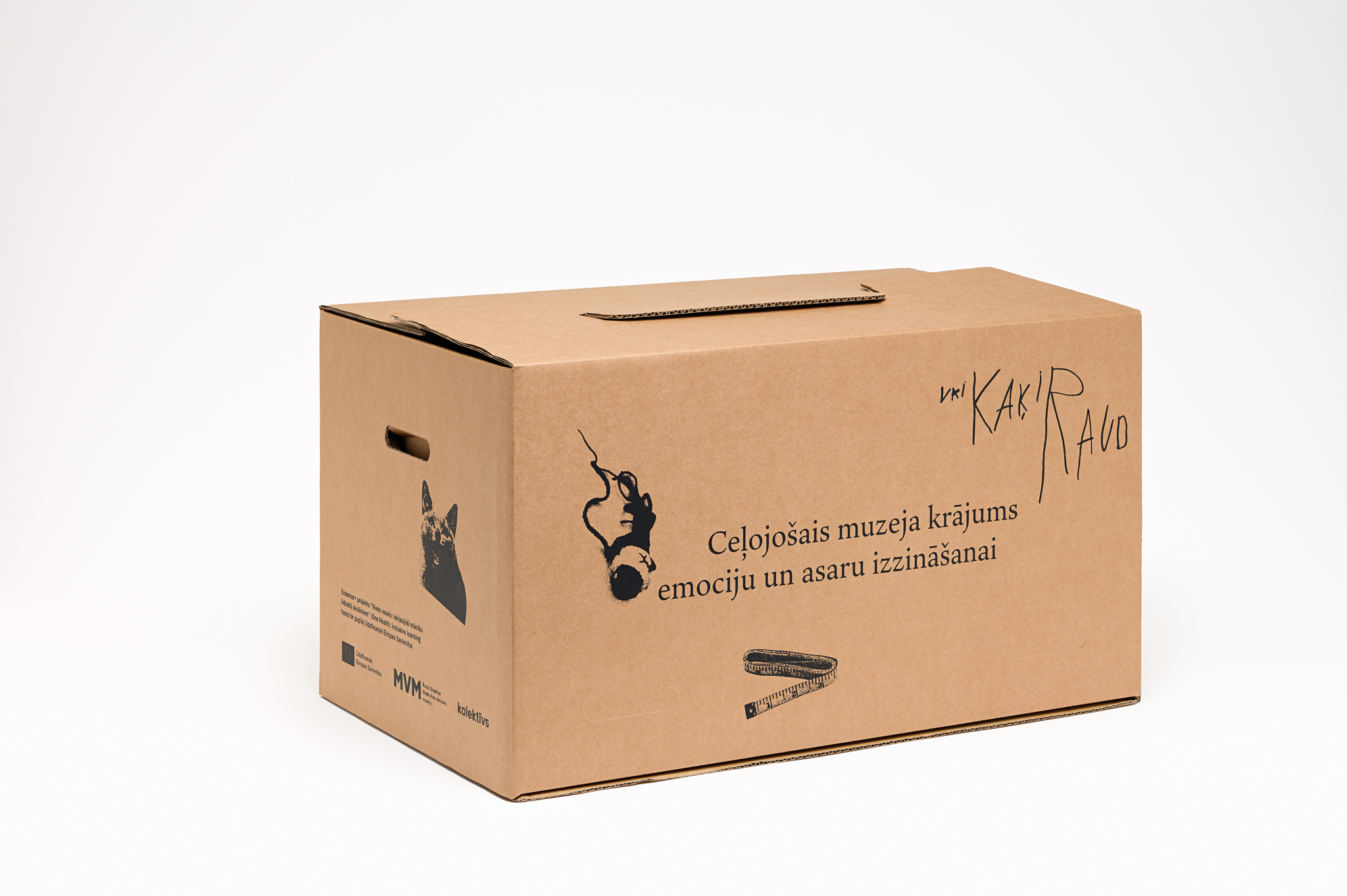
‘Do Cats Cry? A travelling museum collection exploring tears and emotions’ at Pauls Stradiņš Medicine History Museum
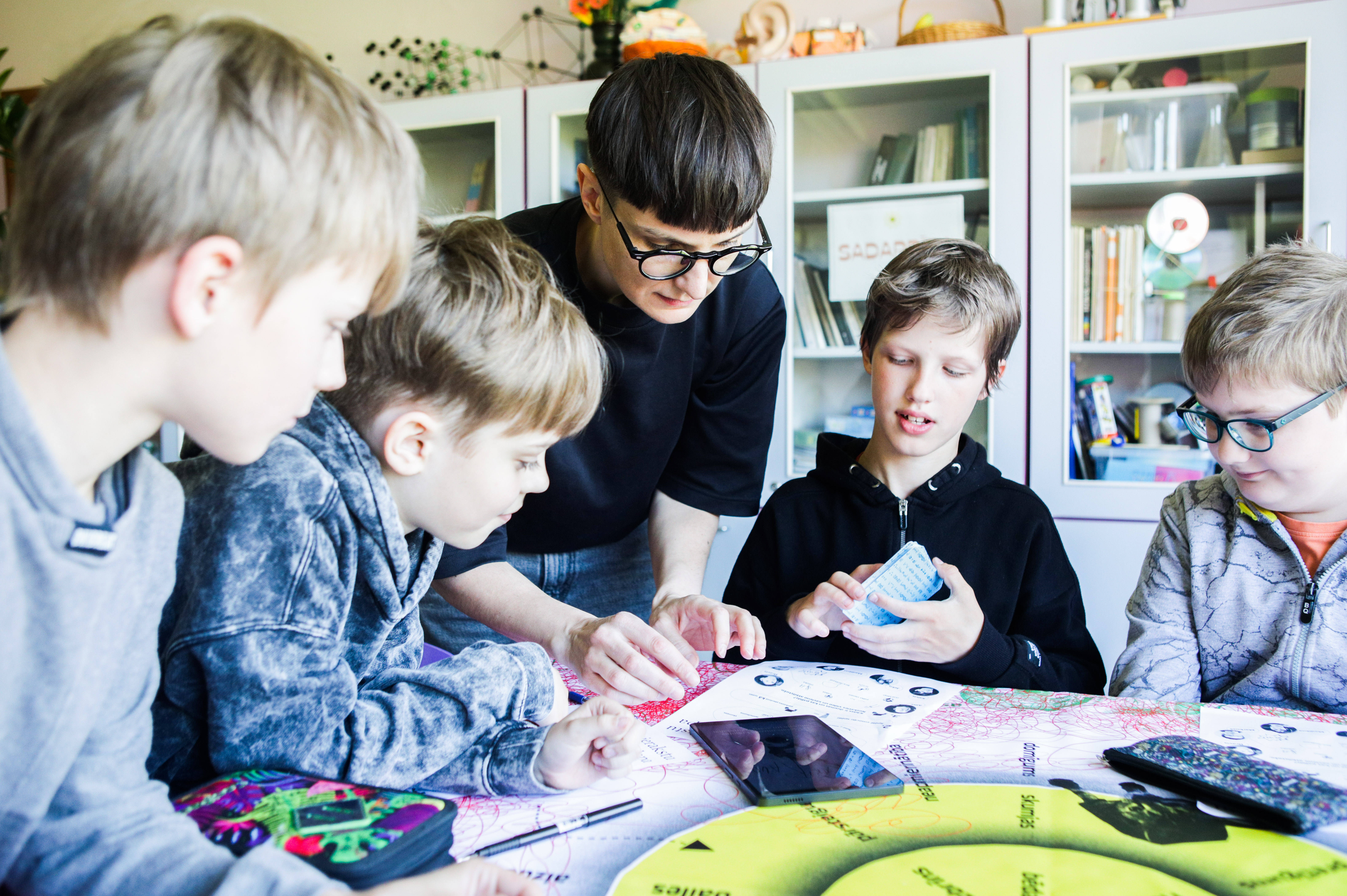
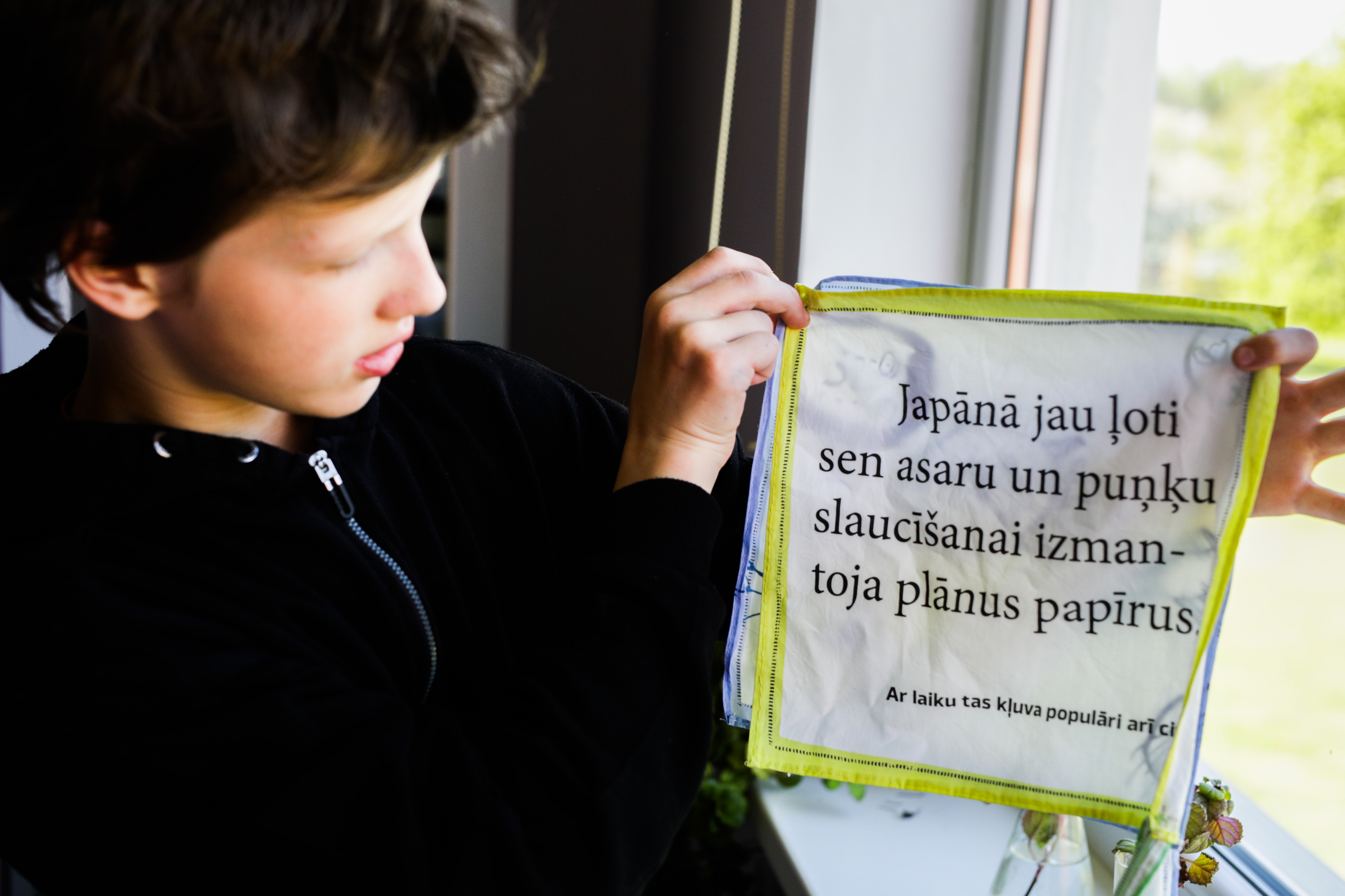
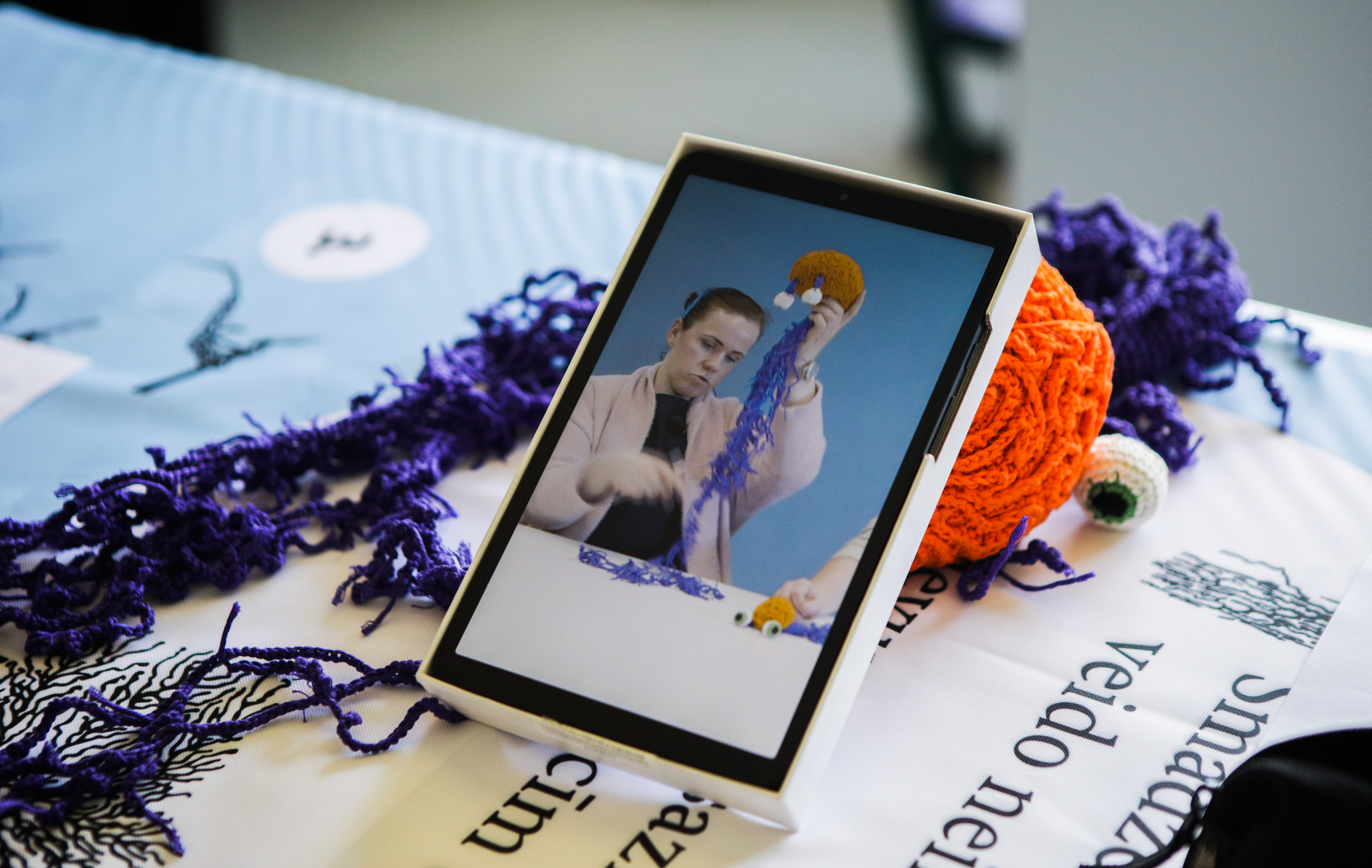
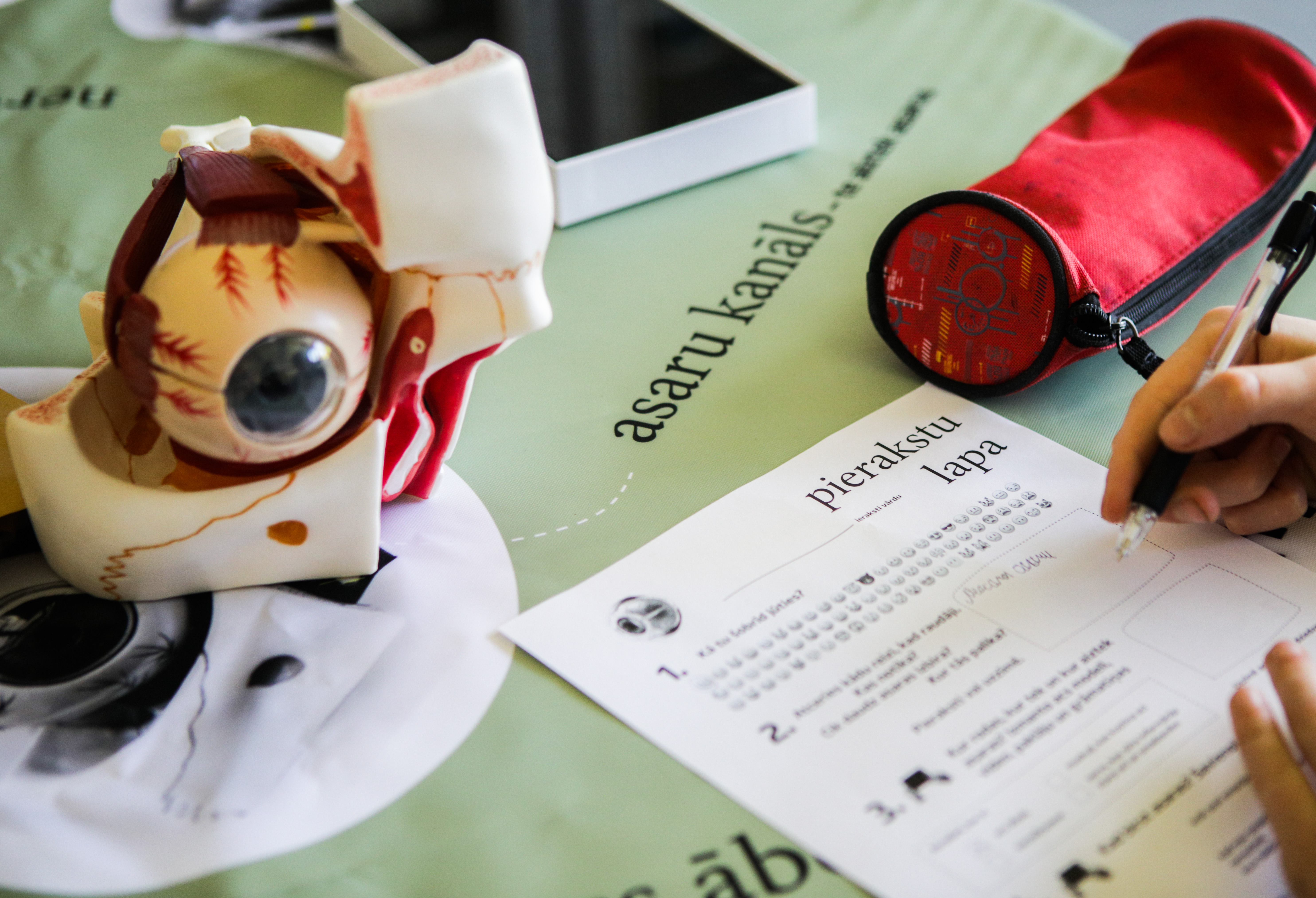
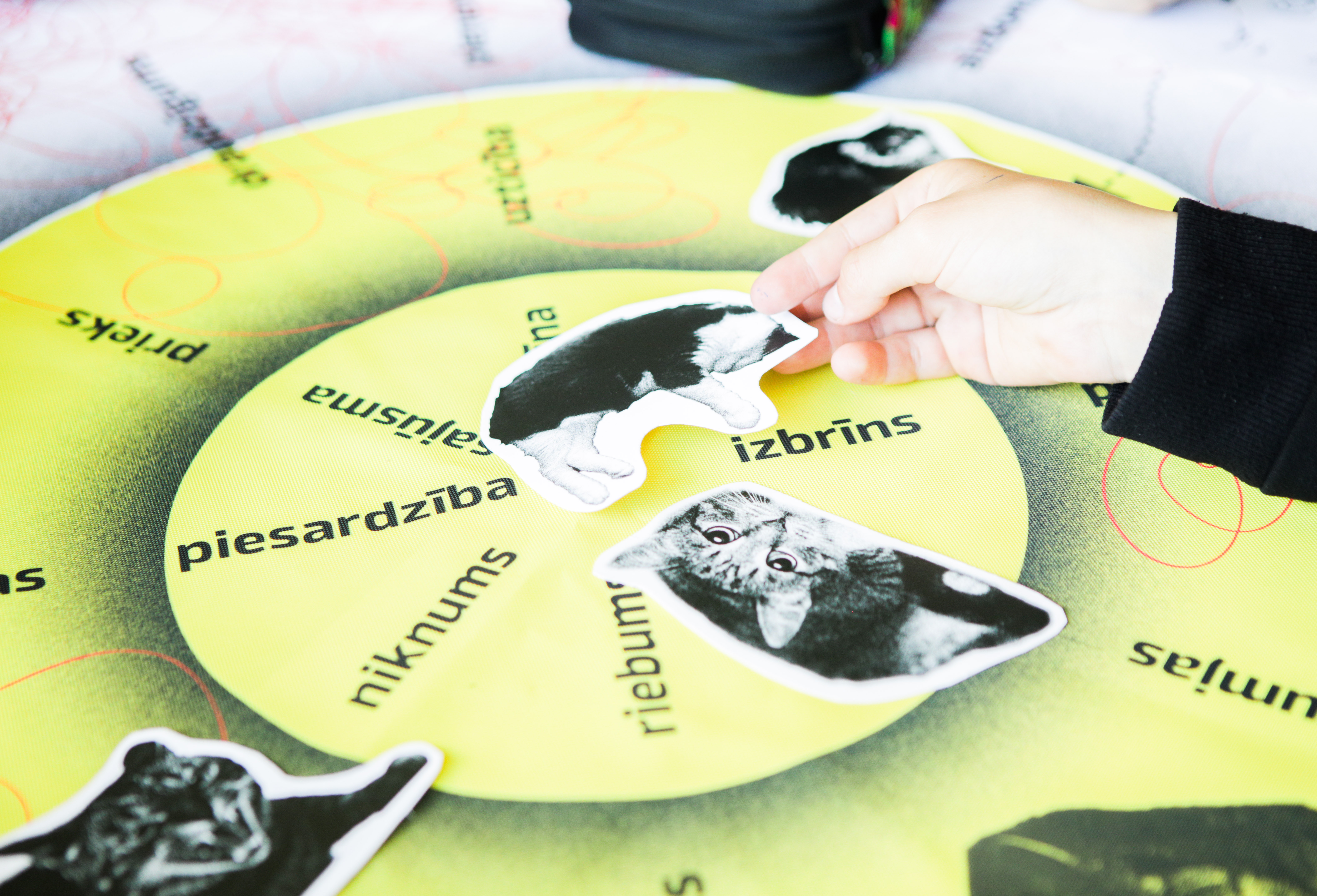
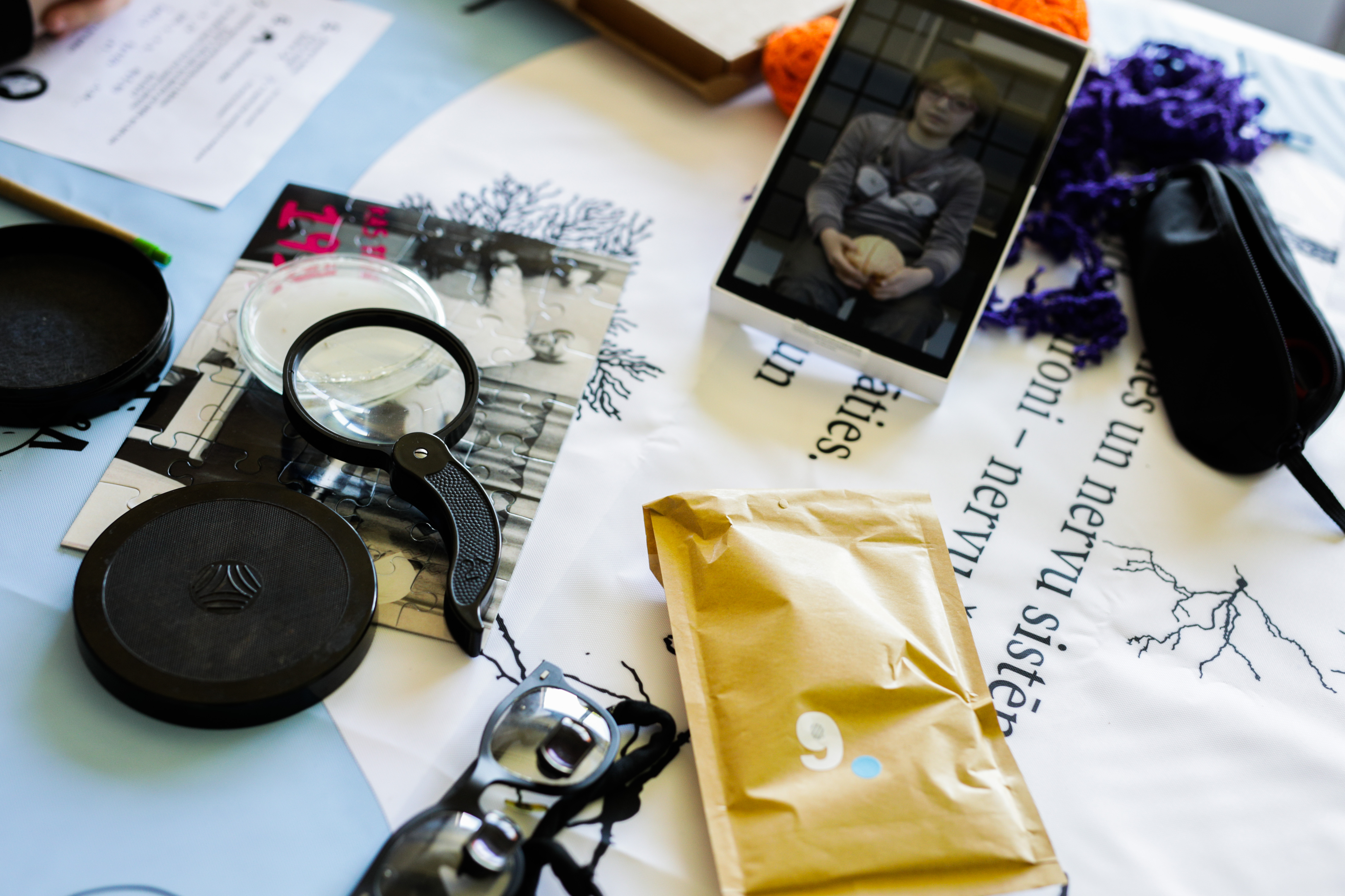
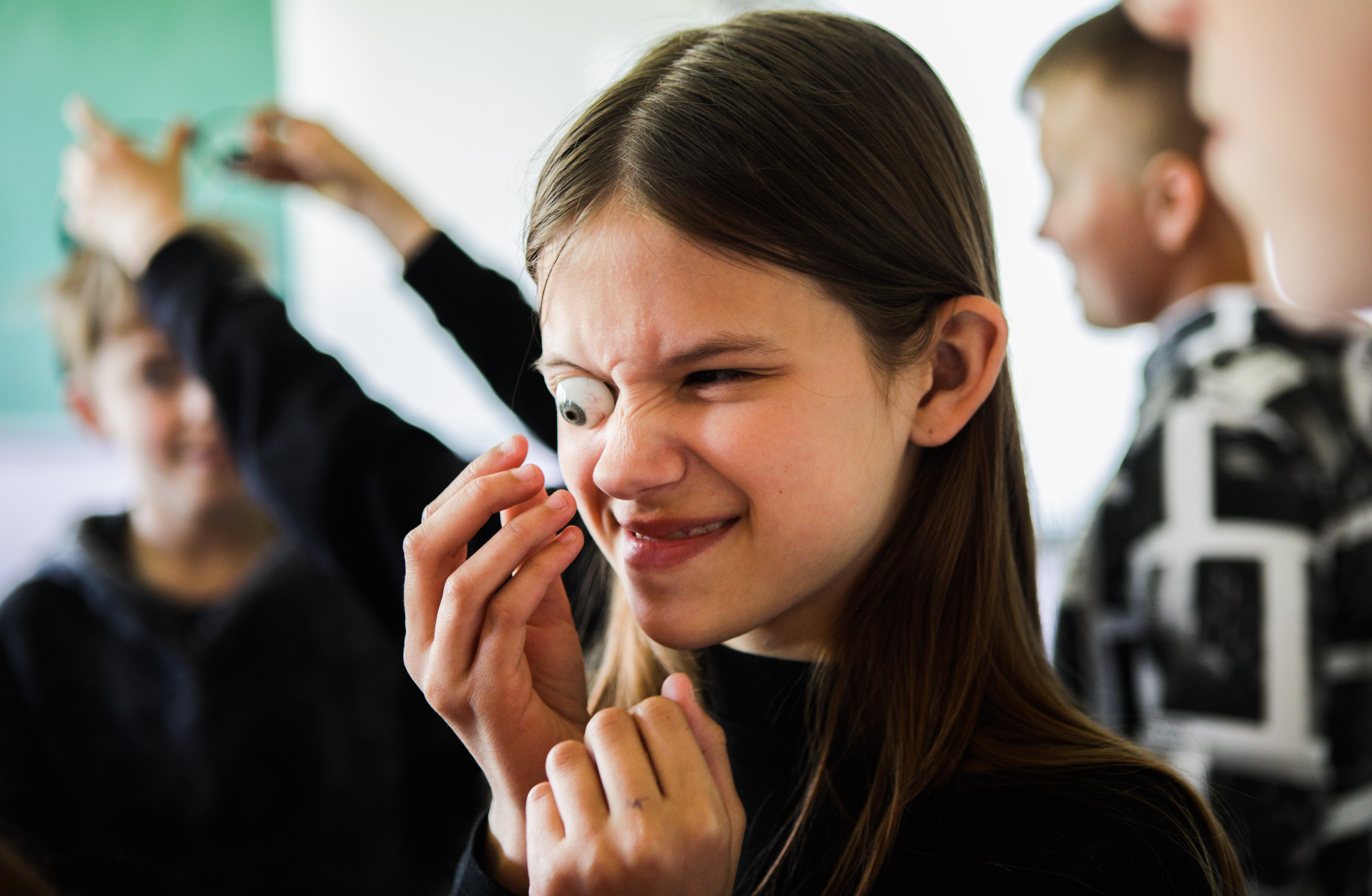
"Do cats cry?" – a question asked by a child has become the starting point for the traveling museum collection that allows to explore emotions, tears and the way they form, what brings tears to people and cats, how the nervous system, brain and eyes participate in the process of crying and how to recognize emotions in humans and cats. The traveling museum collection is a learning tool aimed at pupils in grades 2–6 and includes copies of objects and photographs from the collection of the Medicine History Museum, various exercises and educational materials, people’s stories and objects as well as work sheets and digital tablets with explanatory videos.
By exploring, working creatively and researching various topics related to emotions, anatomy, health and well-being, pupils develop their socio-emotional skills, creative and critical thinking, and promote empathy and care for themselves, each other and the world around us, as well as form a more inclusive understanding of how differently both humans and animals experience and perceive the world around them.
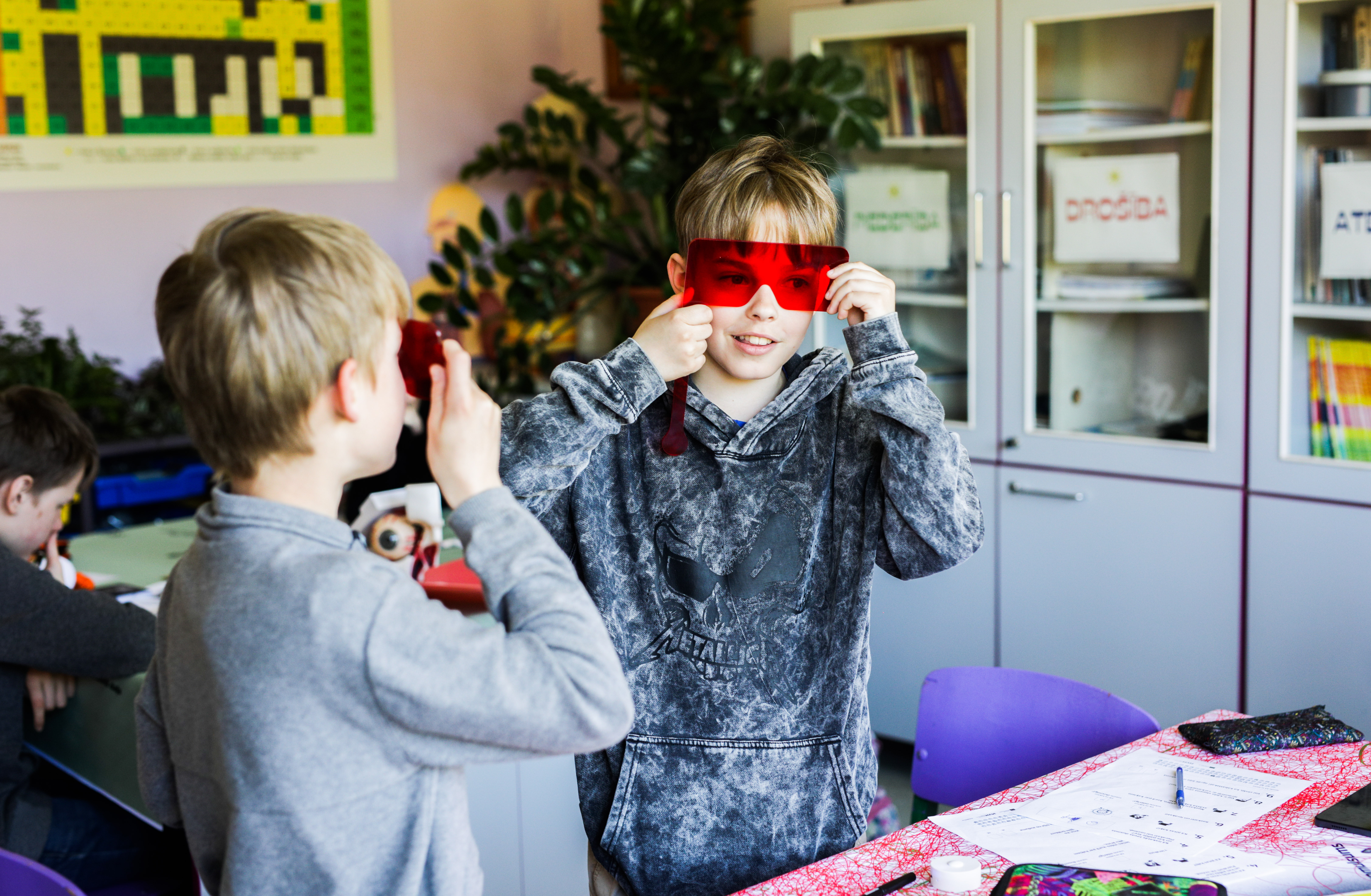
The learning tool is designed as a self-directed learning process, coordinated by the teacher. Collaboration is essential – although there are several individual tasks, most tasks require collaboration and discussion. The tool includes a lot of tactile experience and practical work – objects that can be touched, disassembled and put together, smelt and measured. The lesson also includes explanatory videos with stories from experts – doctor-psychotherapist Lelde Smilte-Breča and veterinarian Astra Ārne – as well as stories from children and young people of different ages about their tears, emotions, and cats. The learning tool includes insight into diverse health experiences with the help of people’s stories captured in videos, including a teenager with an ocular prosthesis and a blind young woman who speak about living with a prosthesis and understanding emotions and cats without using their sight.
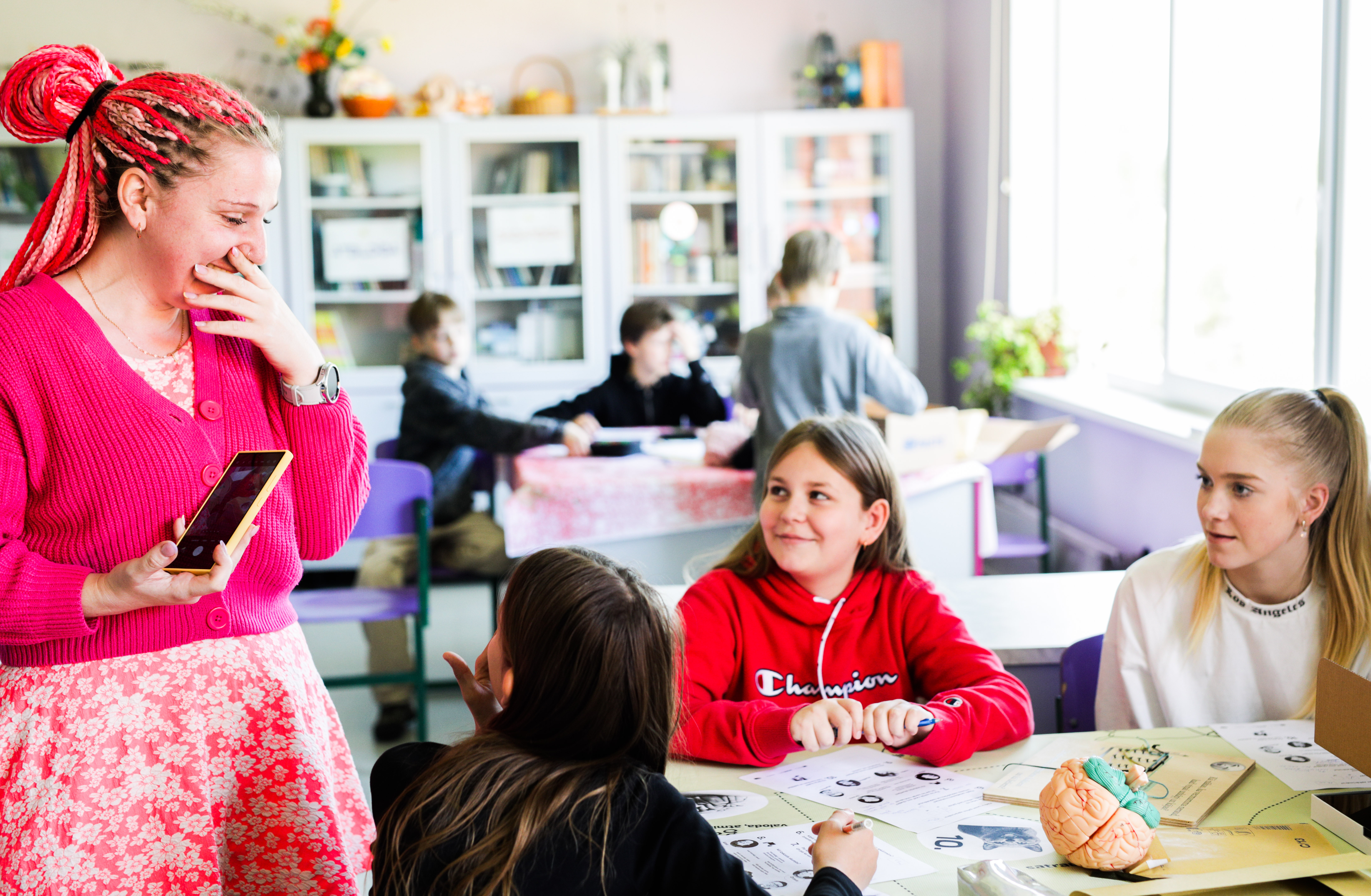
During the project the learning tool reached 139 school classes in 26 schools with 2711 pupils in total. Most schools that used the tool were regional schools, 94% had never been to the Medicine History Museum and 100% attested that such a traveling tool is a way a museum can be useful to pupils, fulfilling the outreach objectives of the project and proving the usefulness of a museum even if it cannot be visited.
“The students were captivated. Everyone got involved, willingly shared their experiences with others about what they had learned. As a teacher, I was pleased with the excellently prepared material and the description of the lesson. It was very easy for the teacher to work, and the students were involved with great interest.”
Teacher at Pastariņa Primary School in Cēsis
The learning tool advanced children’s health literacy and offered a self-directed learning approach which is extremely relevant in the new education standard of Latvia. As uncovered from 50 teachers’ surveys carried out in Latvia, 76% of teachers attest that the learning tool advanced pupil’s health literacy, 98% believe it improved collaboration, 92% that it advanced socio-emotional skills and the ability to analyze information and make sense of cause and effect, 72% believe it advanced critical thinking. 92% valued the self-directed learning method. Additionally, it helped to teach health, science and inclusion without replicating the school curriculum and offered new methods and insights.
The learning tool continues to be distributed after the end of the project.
‘Take a Sneak Peek at Science’ at Deutsches Hygiene-Museum Dresden
The Deutsches Hygiene-Museum Dresden has developed a digital learning tool together with children aged between 9 and 12 to foster an understanding of science and to present new research dedicated to smell. The sense of smell is often underestimated but is crucial to our experience of the world. Odours can not only warn us of danger, but they also awaken memories and trigger emotions. Which odours we are familiar with and which we like depends largely on our social and cultural experiences and, of course, on our olfactory abilities. This means that the world smells different for everyone. This realisation is the starting point for many interdisciplinary research questions.
The aim of the learning tool was to use the example of the topic of smell in the Children's Museum to make it easy for children to understand how scientists work: How do new research questions, methods and results emerge? What strategies can be used to find answers? At the same time, the children's own spirit of enquiry should be awakened. The new learning tool playfully encourages children to experience their own environment with open eyes and to scrutinise everyday phenomena.
During the development process of the tool, a children’s focus group participated in several workshops in the museum and at their school. They learned about the “scientific circle”, carried out an olfactory exploration at their school, created a smell-memory, wrote down their own questions about smelling, prepared to conduct interviews with scientists and conducted the interviews now available as videos as part of the digital learning tool.
The videos are translated into English, Czech and Polish as well as in German Sign language. In summer 2025 the digital learning too will also be available at a new interactive station in the Children’s Museum at Deutsches Hygiene-Museum Dresden.
The digital learning tool is accessible here.
Guidebook for culture institutions
The guidebook for culture institutions titled ‘Engaging children as co-creators of learning tools’ was developed to gather experiences, best practices and lessons learnt during the process of developing both learning tools hoping that it can be useful for other institutions seeking inclusive strategies to reach audiences beyond the museum walls.
The guidebook traces the steps and methodologies used in creating the tools and engaging children as co-creators, so that these practices could be transferred to other contexts in other cultural institutions. The guidebook is available in four languages – Latvian, English, German and Ukrainian, and can be downloaded here:
Considering the great success of the project and the valuable insight that could benefit other institutions, the guidebook was presented at a public event for Latvia’s cultural workers gathering representatives of 16 local culture institutions and has been distributed to stakeholders in Latvia and Germany.
Discussion with policy makers in Latvia
At the final stage of the project a public discussion with policy makers in Latvia was organized to present the project results, the travelling learning tool and initiate discussion about health literacy in schools.
Gathering representatives from the Ministry of Health, Ministry of Culture and Ministry of Education and Science and other stakeholders such as the Centre for Disease Prevention and Control, State Education and Development Agency, Latvian National Culture Centre and the "Latvian School Bag", the event sought cooperation models among the three ministries and their subordinate institutions that would ensure the advancement of health literacy in schools and reduce the increasing negative trends in pupils' health habits.
The event highlighted the need to provide educational activities in schools that would promote healthy habits in children and young people as that is the prerequisite for better public health in the long term. It also discussed the role that the Ministry of Education and Science could have in providing funding from the European Union's Cohesion Policy Programme for extra-curricular activities in the fields of STEM and civic participation, that is planned to be coordinated similarly as the "Latvian School Bag" programme established by the Ministry of Culture.
The result of the public event was that policy makers got to know the travelling learning tool, its outreach methodologies and their major influence on advancing children’s competencies and health literacy and thus can bring forth funding mechanisms and policies that help both create new learning tools and distribute them to schools and social centers that need them.
Erasmus+ project ‘One Health: Inclusive Learning Tools for Pupils’ is co-funded by the European Union.
Project no.: KA210-SCH-AE6FC11E
Time of project realisation: 01.03.2023 - 28.02.2025.
Project partners: Pauls Stradiņš Medicine History Museum, Deutsches Hygiene-Museum Dresden, SIA "Kolektivs"
Views and opinions expressed are however those of the author(s) only and do not necessarily reflect those of the European Union or the European Education and Culture Executive Agency (EACEA). Neither the European Union nor EACEA can be held responsible for them.